
Noise is more than just an annoyance. In offices, commercial spaces, schools, and even high-density residential buildings, poor acoustics quietly add to operational costs while reducing comfort and productivity.
The good news is that the right acoustical wall panels can address this problem effectively and provide long-term financial benefits you might not immediately expect. Whether you’re a facilities manager, office owner, or interior designer, understanding how acoustical solutions impact both your environment and your bottom line is essential.
The Hidden Costs of Poor Acoustics
It’s easy to overlook noise as a cost factor. Rent, utilities, staffing, and supplies are obvious expenses. But noise impacts performance, wellbeing, and efficiency in subtle yet measurable ways.
In offices, constant background noise leads to stress, distraction, and a decrease in focus. Employees may raise their voices in meetings, use headphones at high volumes, or take more breaks just to escape the noise. Over time, this results in reduced productivity, higher error rates, and even staff burnout.
For commercial environments like restaurants, retail spaces, or hospitality venues, poor acoustics can negatively affect customer experience. Patrons struggle to converse comfortably, dwell times shorten, and repeat visits decline. In healthcare or educational spaces, excessive noise can affect outcomes, learning, and overall satisfaction.
All of these consequences translate to real costs—often hidden, but significant.
How Acoustical Wall Panels Work
Many people confuse acoustical panels with full soundproofing. While soundproofing blocks noise completely, most spaces benefit more from sound absorption.
Acoustical wall panels work by absorbing sound waves that would otherwise bounce off hard surfaces, such as glass, concrete, or plaster. This reduces echo and reverberation, improves speech clarity, and lowers overall noise levels.
The effect is immediate: conversations become clearer, background noise is less intrusive, and the space feels calmer. For employees, customers, or residents, this improved acoustic environment enhances comfort and wellbeing without any ongoing effort.
Operational Cost Savings You Might Not Expect
Better acoustics do more than just reduce noise—they can directly impact your bottom line. Here are some surprising ways acoustic wall panels help save on operational costs year after year.
1. Lower Energy Costs
It may seem counterintuitive, but acoustic panels can indirectly reduce energy consumption. In noisy environments, people often compensate by turning up music, air-conditioning, or other devices to mask background noise.
By improving sound absorption, acoustic panels allow for lower volumes of music or announcements and reduce the need for HVAC systems to overpower ambient noise. Some panels even provide thermal insulation, helping stabilise indoor temperatures and reducing heating or cooling costs over time.
2. Increased Productivity and Efficiency
The less noisy the environment, the easier it is for staff to focus. Studies consistently show that excessive noise reduces productivity and increases mental fatigue.
In offices, acoustic wall panels can turn open-plan areas or collaborative spaces into zones where employees can work efficiently without distraction. Meetings run smoother, instructions are clearer, and fewer errors occur.
Over a year, these productivity gains can translate into significant financial savings—more work completed per hour, less rework, and reduced overtime costs.
3. Reduced Staff Turnover and Absenteeism
Stress from constant noise can contribute to burnout, headaches, and even illness. This leads to higher absenteeism and staff turnover, both of which are costly.
Recruiting, onboarding, and training new employees require substantial investment. By reducing noise-related stress, acoustic wall panels help promote a less noisy environment which may help retain staff, improve wellbeing, and reduce absentee-related costs. Over time, this is a major contributor to long-term savings.
4. Enhanced Customer Experience Without Extra Staff
For customer-facing environments, acoustics directly affect satisfaction. Restaurants, cafés, and retail spaces with poor sound control feel chaotic. Patrons leave earlier, spend less, and may not return.
Acoustical panels create a calm, balanced environment that improves the overall experience without adding extra staff or operational interventions. Customers are more likely to linger, increasing sales and repeat visits.
Minimal Maintenance, Maximum Value
Unlike electronic sound-masking systems or other temporary solutions, acoustic wall panels require very little maintenance. Once installed, they continue to absorb sound effectively for years.
Tested high-quality panels are durable, easy to clean, and often resistant to fading, warping, or damage from humidity. This longevity means your initial investment continues to pay off year after year without ongoing costs
Flexibility and Scalability
Modern acoustic panels are often modular. They can be added, rearranged, or relocated as business needs change.
In offices, this means you can expand peaceful zones or meeting areas without a complete redesign. In hospitality or retail spaces, panels can be added to accommodate seasonal variations in noise levels. This adaptability ensures that your investment remains relevant and valuable as your space evolves, avoiding repeated expenditures on temporary fixes.
Design Meets Function
Gone are the days when acoustic panels were purely functional and unattractive. Today, they are an integral part of interior design.
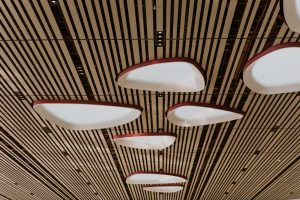
Panels come in a wide range of materials, finishes, and shapes—from fabric-wrapped boards to timber slats, printed designs, and even sculptural forms. This allows spaces to remain visually appealing while improving comfort and efficiency.
Well-designed panels enhance aesthetics and brand perception, turning a functional element into a feature that complements the overall environment.
Long-Term Financial Perspective
It’s tempting to treat acoustic improvements as optional. Many organisations attempt “quick fixes” like rearranging furniture, using white noise machines, or giving employees noise-cancelling headphones.
While these methods address symptoms temporarily, they do not solve the root problem. Acoustic wall panels address the source, providing long-term benefits:
- Reduced operational costs from energy savings and efficiency gains
- Lower recruitment and training expenses due to better staff retention
- Improved customer experience and increased revenue
- Minimal ongoing maintenance
In essence, acoustic panels are an investment that pays for itself multiple times over the years.
Best Environments for Acoustic Panel Walls
Almost any space can benefit from better acoustics, but some environments see especially noticeable improvements. Let’s take a closer look:
Open-plan offices
These spaces are great for collaboration, but they can also be a nightmare when it comes to noise. Conversations, ringing phones, and background chatter make it hard for employees to focus. Acoustic wall panels help absorb excess sound, creating zones where people can concentrate without losing the openness that encourages teamwork.
Meeting and conference rooms
Clear communication is everything in meetings, but poor acoustics can make even short discussions frustrating. Panels reduce echo and improve speech clarity, ensuring everyone can hear—and be heard—without raising their voices. This means shorter, more efficient meetings and less fatigue for everyone involved.
Restaurants and cafés
A bustling café or restaurant can quickly feel overwhelming if noise isn’t managed. Acoustic panels create a more comfortable atmosphere for diners, making conversation easy and enjoyable. When customers can relax and chat without shouting, they tend to stay longer, return more often, and even spend more.
Healthcare facilities
Good acoustics aren’t just pleasant in hospitals or clinics. Acoustic panels help manage background noise in waiting areas, treatment rooms, and patient wards. This supports patient recovery, reduces stress for staff, and creates a calmer, more professional environment.
Educational spaces
In classrooms, lecture halls, and study areas, speech intelligibility is crucial. Panels reduce echo and background noise, making it easier for students to hear instructions and stay engaged. Better acoustics can directly improve learning outcomes and help teachers communicate more effectively.
Residential developments
In high-density living environments, shared walls and communal spaces can be noisy and stressful. Acoustic wall panels help manage sound in hallways, gyms, lounges, or even home offices, creating a more comfortable living experience for residents.
In short, wherever sound control is needed, whether for focus, comfort, or communication, acoustic panels make a noticeable difference. They’re a practical solution that works as well as they look
Final Thoughts
Acoustic wall panels are more than decorative features—they are strategic investments.
- They reduce operational costs by lowering energy use, improving efficiency, and cutting down on noise-related productivity losses.
- They enhance comfort and wellbeing for staff, residents, and customers alike.
- They offer long-term value, with minimal maintenance and the flexibility to adapt as spaces evolve.
- They improve brand perception, blending seamlessly into modern design aesthetics while performing a crucial function.
In short, the right acoustical wall panels pay for themselves year after year, saving money while creating a more enjoyable environment.