If you’ve been exploring acoustic solutions in Singapore, you’ve probably come across terms like absorptive panels and diffusive panels. They sound similar, but they actually solve very different problems — and choosing the wrong one could leave your room sounding boomy, hollow, or strangely flat.
First off, it’s important to note a common misconception: these sound panels don’t absorb noise from outside your apartment or office. Instead, they deal with echo and sound reflections inside the room, helping you achieve a clearer, more comfortable listening environment.
Think of it like this: absorptive panels are softening the sound, while diffusive panels are spreading it evenly. Understanding this distinction is crucial, especially in Singapore homes, offices, cafés, or studios, where reflective surfaces like concrete, tiles, and glass are common.
Let’s break down each type and explore where they work best.
Absorptive Panels: Soften and Control Echo
Absorptive panels are designed to soak up sound waves so they don’t bounce around the room. If you’ve ever been in a small HDB living room with bare tiles or a high-ceiling office where voices echo, you’ve felt the problem firsthand.
Key Benefits:
- Reduce echo and reverberation
- Improve speech clarity in offices, classrooms, or meeting rooms
- Enhance music listening or recording in home studios
- Make cafés, restaurants, or lounges feel calmer and more comfortable
Common Materials:
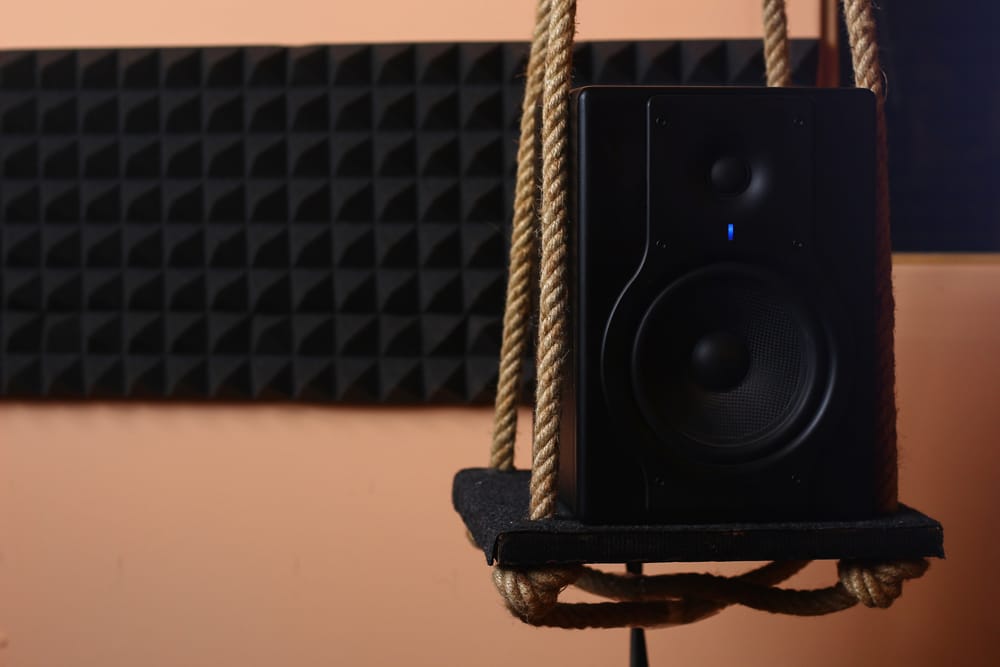
- Foam panels (classic wedge or pyramid shapes)
- Fabric-wrapped fibrous boards
- Wooden slatted panels with absorptive backing
Where to Place Them in Singapore Spaces:
- Above seating areas in condos or HDB flats
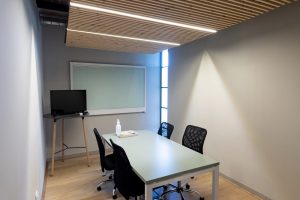
- On office meeting room walls or ceilings
- In home studios or rehearsal rooms
- Around tables or bars in cafés
Absorptive panels are like soft furniture for your sound. They don’t block outside noise, but they stop the room itself from making music, speech, or conversation sound hollow or harsh.
Diffusive Panels: Spread Sound Evenly
Diffusive panels don’t “soak up” sound. Instead, they scatter sound waves in multiple directions, preventing harsh reflections and hotspots that can make a room sound uneven.
Why Diffusion Matters:
- Makes music and voices sound natural and balanced
- Prevents “dead spots” where sound feels flat
- Reduces the risk of overly reflective corners creating harsh echoes
Common Materials and Styles:
- 3D wooden or MDF panels with geometric patterns
- QRD (quadratic residue diffuser) panels used in studios
- Curved or angled surfaces designed to scatter sound waves
Where to Place Them in Singapore Spaces:
- Studios, rehearsal rooms, or small recording spaces to create even sound
- Lobbies, restaurants, or cafés where a lively, full-bodied sound is preferred
- Home theatres where you want music and dialogue to feel natural
- Offices or call centres where even sound distribution improves communication
Diffusive panels are like nature’s sound equaliser. They take sound energy and spread it around, so no area is too bright or too dull.
Absorptive vs. Diffusive: How They Compare
| Feature | Absorptive Panels | Diffusive Panels |
| Purpose | Reduce echo and reverberation inside a room | Spread sound evenly, prevent harsh reflections |
| Effect on Noise | Softens sound, reduces “boomy” feel | Creates a natural, balanced sound |
| Materials | Foam, fabric, fibrous boards, wood | Wood, MDF, 3D geometric panels, angled surfaces |
| Best For | Living rooms, offices, studios, cafés | Studios, home theatres, lobbies, restaurants |
| Installation | Wall or ceiling mounting, easy to DIY | Wall or ceiling mounting, sometimes heavier or custom-cut |
| Impact on Room Acoustics | Makes space quieter and less echoey | Makes space sound lively and natural, avoids dead zones |
Which Should You Choose for Your Singapore Space?
Here’s the simple rule of thumb:
- If your room is echoey (like many HDB flats, condos, offices with glass partitions), start with absorptive sound panels. They’ll immediately reduce hollow sounds and make conversations, music, or calls clearer.
- If your room sounds uneven or flat, or you want a professional-quality studio or home theatre experience, add diffusive panels. They distribute sound evenly and prevent harsh reflections.
- The best results often come from combining both. For example:
- Home Studio: Absorptive panels at first reflection points + diffusive panels on the back wall
- Living Room or Café: Absorptive panels above seating areas + diffusive panels on walls or ceilings for a natural, lively sound
Practical Tips for Singapore Spaces
When it comes to sound panels, it’s not just about sticking a few panels on the walls and hoping for the best. In Singapore, where apartments, offices, and cafés often have reflective surfaces like tiles, glass, and concrete, a little planning goes a long way. The right placement and materials can dramatically improve echo control and overall sound clarity, while also complementing your interior design.
Here are some practical tips to make the most of absorptive and diffusive panels in your space.
1. Identify reflection points first
Start by looking for the surfaces that bounce the most. In Singapore homes and offices, this usually means glass windows, polished tiles, concrete walls, and mirrors. These are the spots where echo is strongest. Placing absorptive panels strategically on these surfaces will immediately reduce unwanted reverberation and make conversations, music, and calls clearer. Think of it as targeting the trouble spots first, rather than blindly covering every wall.
2. Think vertically
Many people forget that ceilings reflect sound just as much as walls. In condos with high ceilings or offices with open-plan designs, echoes often come from above. Installing panels on ceilings — especially above seating areas, meeting tables, or musical instruments — can make a surprisingly big difference in clarity and comfort.
3. Mix and match materials
Not all panels are created equal. Fabric, wood, and foam panels each have unique performance and aesthetic qualities. Fabric panels are versatile and lightweight, wood adds warmth and a decorative touch, while foam is functional and affordable. In Singapore, mixing materials can be a clever way to balance style and performance, especially in living rooms, cafés, and studios.
4. Don’t overdo it
It’s a common misconception that more panels always mean better sound. In reality, strategic placement is far more effective. Covering every wall or ceiling isn’t necessary and can even make a room feel closed in. Focus on key reflection points and first-reflection zones for maximum impact with fewer panels.
5. Consider aesthetics
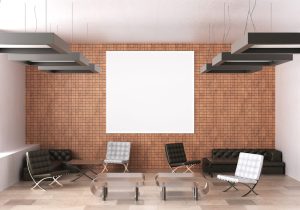
Panels don’t have to be purely functional. Many diffusive panels are decorative, featuring geometric patterns, textures, or colours. They can double as wall art while improving acoustics, making them ideal for stylish Singapore homes, cafés, or offices. Think of it as solving two problems at once: sound and style.
6. Maintenance matters
Singapore’s humid climate can affect certain materials over time. Panels made from durable, moisture-resistant materials will maintain their performance and appearance longer. Make sure they are easy to clean, and check mounting regularly — especially in areas near air-conditioning units or ceiling fans, to prevent sagging or loosening over time.
These practical tips help you get the most out of your absorptive and diffusive panels, creating a Singapore space that sounds clearer, feels calmer, and looks great — without unnecessary expense or clutter.
Final Thoughts
Absorptive panels and diffusive panels both improve how a room sounds, but in very different ways. Absorptive panels tame echo and reverberation, while diffusive panels scatter sound for a balanced, natural feel.
In Singapore, where apartments, offices, and studios often have reflective surfaces, combining the two is often the smartest approach. You can create spaces that are clear, comfortable, and acoustically balanced — whether it’s for a home theatre, a café, a classroom, or a music studio.
Remember: good acoustics aren’t just about volume. They’re about clarity, balance, and comfort. Choosing the right panels is the first step to making your Singapore space sound as good as it looks.