If you’ve been exploring ways to improve the acoustics in your Singapore home, office, or studio, you’ve probably come across terms like fabric, wood, and foam acoustical panels. At first glance, it might seem like a straightforward choice — pick one material and you’re done. But in reality, each type of panel has its own strengths, weaknesses, and quirks, and understanding them can save you money, time, and frustration.
There’s an important point to clear up: acoustical wall panels don’t actually “absorb sound.” What they do is reduce echo and reverberation within a room, making conversations clearer, music more balanced, and the space feels calmer overall. In Singapore, where apartments, offices, and HDB flats are often compact with lots of reflective surfaces like tiles, glass, and concrete, this subtle improvement can make a big difference.
1. Fabric Acoustical Panels
Fabric-wrapped panels are a favourite for many homeowners, offices, and studios in Singapore — and it’s not hard to see why. They combine soft texture, visual appeal, and effective echo reduction in a single solution.
How They Work:
Fabric panels are typically built around a fibrous or foam core, covered in a fabric layer. This core doesn’t magically absorb sound waves; instead, it helps scatter and break up reflections, reducing the hollow, “boomy” quality that can plague smaller rooms.
Why Spaces Love Them:
- Customisable colours and patterns: Perfect for matching modern condos, offices, or creative studios.
- Lightweight and easy to install: Makes them ideal for HDB flats or spaces where wall weight matters.
- Flexible sizing: Can be cut to fit awkward corners, pillars, or furniture layouts.
Design Tip: Designers often use geometric or modular layouts to turn these functional panels into wall art, making the panels both practical and visually striking.
Considerations: Fabric panels can sometimes attract dust or stains, so they need occasional cleaning to maintain their appearance. But in terms of echo reduction, they are reliable and versatile.
2. Wood Acoustical Panels
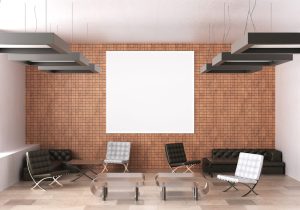
Wood panels have been a long-time favourite in offices, boutique cafés, and luxury condos. They bring warmth, character, and elegance to a space while subtly improving sound quality.
How They Work:
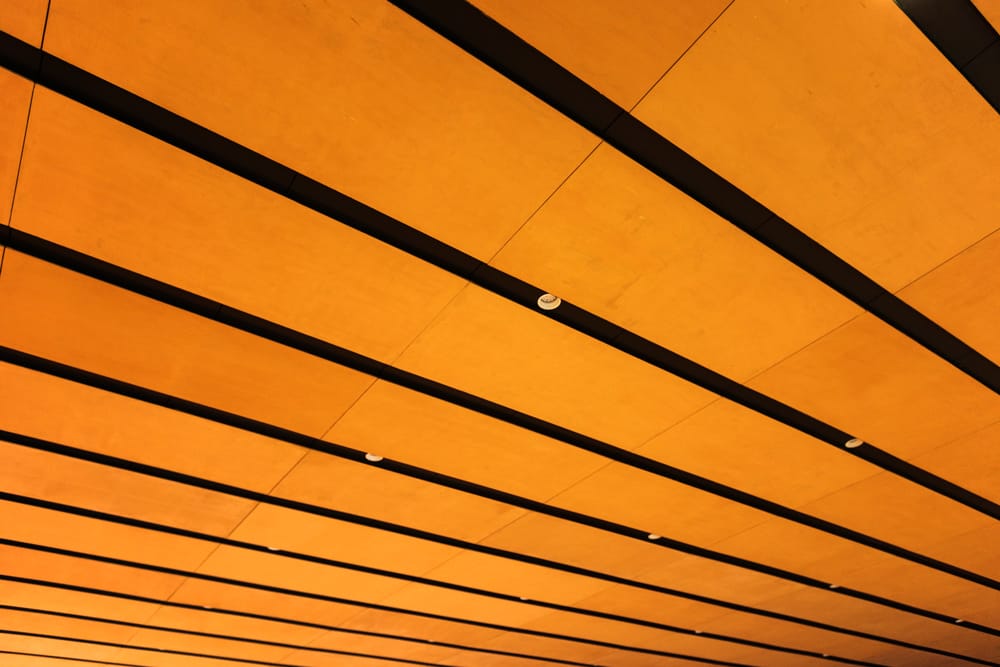
Wood panels often feature slats, grooves, or perforations. These patterns help scatter echoes, reducing reverberation without making the space feel muffled. Unlike foam or fabric, wood panels also add a natural, tactile texture to interiors.
Why Spaces Love Them:
- Blends naturally with interiors that favour wood furniture, neutral tones, or minimalist designs.
- Pairs well with lighting: Spotlights or LED strips can highlight the grooves for a dramatic effect.
- Works in multi-purpose spaces: Offices, studios, and homes alike.
Design Tip: Vertical timber slats are trending in Singapore. They create an illusion of height while breaking up sound reflections, making rooms feel both taller and less noisy.
Considerations: Wood panels are heavier than fabric panels, and installation may require professional help. They’re also less flexible in terms of shapes and colours but make up for it in longevity and visual impact.
3. Foam Acoustical Panels
Foam panels are the most “technical” of the three, often seen in studios, home theatres, and offices that need focused echo control.
How They Work:
Foam panels feature open-cell structures that scatter sound reflections, smoothing out echoes. They’re particularly effective at targeting mid-to-high frequency reverberations, making voices and instruments clearer in a small room.
Why Spaces Love Them:
- Lightweight and easy to install: Great for temporary setups or DIY projects.
- Highly versatile: Foam comes in many shapes, from flat sheets to pyramids and wedges, allowing creative placement.
- Affordable: Often cheaper than fabric or wood alternatives, making them accessible for homeowners and small businesses.
Design Tip: Foam panels can be painted or paired with other materials to improve aesthetics. For small HDB flats or compact offices, stacking foam panels strategically in problem areas can make a big difference in echo reduction.
Considerations: Foam panels can look industrial or utilitarian if not combined with other design elements. They may also degrade faster than wood or fabric panels in Singapore’s humid environment if low-quality foam is used.
Comparing the Three: Key Differences at a Glance
| Feature | Fabric Panels | Wood Panels | Foam Panels |
| Visual Appeal | High; customisable colours & patterns | High; natural, elegant texture | Low to medium; functional look |
| Echo Control | Moderate to high | Moderate | High for mid-high frequencies |
| Durability | Medium; occasional cleaning needed | High; long-lasting | Medium; may degrade in humidity |
| Installation | Easy; DIY-friendly | Moderate; may require professional help | Easy; DIY-friendly |
| Cost | Medium | High | Low to medium |
| Flexibility | Very flexible in size & shape | Limited; mostly fixed sizes | Flexible; can be cut & shaped |
Choosing the Right Panel for Your Singapore Space
When deciding between fabric, wood, and foam panels, consider:
- Room size and use: Small apartments may benefit more from fabric or foam for targeted echo control, while larger offices or studios can make a statement with wood panels.
- Aesthetic priorities: If the panels need to blend with furniture and decor, wood and fabric offer more visual appeal. Foam is more functional unless paired creatively.
- Budget constraints: Foam is the most cost-effective for echo reduction, fabric sits in the middle, and wood is usually premium.
- Installation and maintenance: Fabric and foam are easier to install and move around; wood may require professional handling.
- Humidity and climate: Singapore’s high humidity can affect foam and fabric if low-quality materials are used, while wood panels designed for local conditions will last longer.
Practical Tips for Homes and Offices in Singapore
- Combine panels for best results: Some Singapore homeowners mix wood for feature walls with foam or fabric in problem areas for optimal echo reduction.
- Strategic placement matters more than covering every wall: Focus panels where sound bounces the most — corners, walls opposite windows, or near reflective surfaces.
- Think modular: Using sound panels that can be rearranged or expanded makes it easier to adjust as the room changes.
- Regular upkeep: Dusting or vacuuming fabric panels, and checking foam panels for wear, keeps performance consistent.
Final Thoughts
There’s no one-size-fits-all answer to the fabric vs. wood vs. foam debate. Each material has its strengths, and the “best” choice depends on your space, budget, design preferences, and usage patterns.
In Singapore, where spaces are often compact and full of reflective surfaces, the right acoustical wall panels can make a room feel calmer, clearer, and more comfortable, regardless of the material.
A simple rule of thumb: mix functionality with style, focus on problem areas, and invest in panels that are suitable for Singapore’s climate and your space requirements. That way, you get a space that looks good, sounds better, and lasts for years.