If you’ve ever looked at wall panels in Singapore, you’ve probably noticed a dizzying array of shapes, colours, and materials. From fabric-wrapped tiles to wooden slats and foam blocks, there’s a lot to choose from. But here’s the thing: wall panels don’t absorb sound itself. They do absorb echoes and reverberation inside a room, which dramatically improves sound quality. This means conversations become clearer, music feels richer, and video calls are less tiring, all without magically making your space “soundproof.” It’s a subtle difference, but it changes how you pick panels for your space.
When it comes to homes versus offices, the performance and ideal choice can differ drastically. It’s not just about material — it’s about how the room is used, its layout, and even your lifestyle.
Purpose and Usage: Why Homes and Offices Differ
Homes: In Singapore apartments or condos, echo is often subtle but disruptive. A living room with tiled floors and glass windows can sound hollow during conversations or movie nights. Bedrooms may amplify footsteps, making a busy household feel louder.
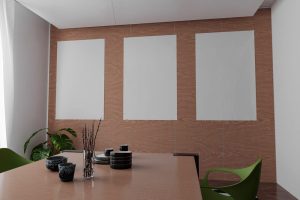
Wall panels at home are as much about comfort and aesthetics as they are about sound quality. They reduce echoes where it matters most — behind the sofa, around entertainment areas, or in a home studio — without taking over the room visually.
Offices: Open-plan layouts, concrete walls, glass partitions, and high ceilings make echoes more pronounced in Singapore workplaces. Calls may sound muffled, meetings can feel chaotic, and employees can experience fatigue from constant reverberation.
Wall panels in offices are more about functionality and productivity. They target problem areas like conference rooms, call centres, and collaborative spaces to ensure speech clarity and focus, while maintaining a professional look.
Layout and Space Considerations
The size, shape, and layout of a room play a huge role in how wall panels perform — and this is especially true in Singapore, where apartments and offices often have unique challenges.
Homes: Many Singapore homes, whether HDB flats or condos, are compact and multifunctional. Furniture placement can change depending on lifestyle — a sofa might move, a TV wall might be upgraded, or a home studio might need a temporary setup for music or video calls.
Modular or custom panels work best in these scenarios because they can:
- Fit around furniture or built-in features without looking awkward.
- Be repositioned easily when you redecorate or rearrange your space.
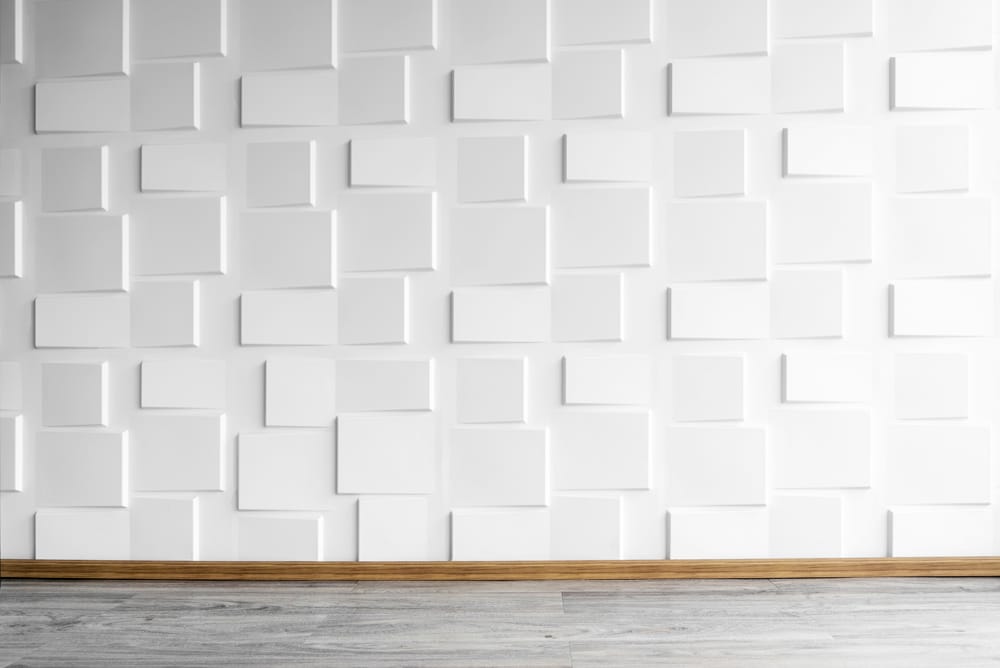
- Combine style and functionality, like decorative 3D panels that scatter echoes while doubling as a visual feature.
Even in small apartments, strategically placed panels can dramatically improve acoustic comfort without taking up too much wall space.
Offices: Office layouts are usually more structured, workplaces in Singapore often include open-plan areas, glass partitions, or high ceilings, which create strong echoes if untreated.
- Fixed panels provide stable, consistent echo control in permanent setups like meeting rooms or executive offices.
- Modular panels are perfect for co-working spaces, start-ups, or multi-purpose offices where layouts evolve frequently. They allow you to add, move, or remove panels as needed without a full renovation.
In both homes and offices, the key is to assess the space first, identify where echoes bounce most, and then decide whether flexibility (modular) or stability (fixed) will deliver the best results.
Material Choices
The material of a wall panel matters, not just for looks but for how it interacts with echoes:
- Fabric-wrapped panels: Soft and stylish, they scatter echoes without looking obtrusive. Ideal for living rooms, bedrooms, and meeting rooms.
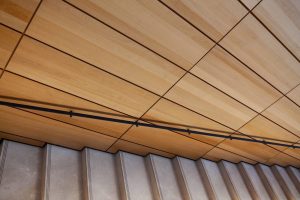
- Wooden panels or slats: Add warmth and texture while naturally diffusing sound waves. Works well in home feature walls or professional office settings.
- Foam or composite panels: Lightweight, versatile, and practical for studios, home offices, or modular office spaces.
Pro tip: Many homes and offices in Singapore benefit from mixing materials to balance aesthetics and sound performance — for instance, wood for style, fabric for softening echo, and foam for high-reflection zones.
Placement Strategy
Panels work best when placed where echoes actually occur, rather than covering every wall.
Homes: Focus on walls behind seating areas, walls facing glass windows, and corners where sound tends to bounce. Ceiling panels can also help, especially in higher-ceiling condos.
Offices: Prioritize conference rooms, open-plan seating areas, and walls behind workstations. Don’t forget ceilings, which are often the biggest reflection surface in offices with glass or polished floors.
Key takeaway: Strategic placement beats full coverage — especially in Singapore spaces where rooms are compact and reflective surfaces abundant.
Lifestyle and Human Activity Matters
The way people use a room impacts how echoes behave.
Homes: Activities vary — kids running around, music sessions, video calls, or casual conversations. Modular panels allow flexibility to adapt to different scenarios, like moving furniture or redecorating.
Offices: High-traffic areas, frequent meetings, and constant collaboration require durable panels that maintain performance over time. Fixed panels in key areas provide reliable clarity, while modular solutions allow adaptation in co-working or multi-purpose spaces.
Singapore’s high humidity and warm indoor temperatures can affect wall panels over time, so it’s worth choosing materials that can handle the local climate.
- Fabric panels may sag or absorb moisture if they aren’t moisture-resistant, which can reduce their echo-absorbing effectiveness.
- Wooden panels can warp or expand slightly in humid conditions, especially if they’re thin or untreated.
- Foam panels are generally lightweight and more tolerant to humidity, making them a practical choice for high-moisture areas.
Going for durable, humidity-resistant panels helps ensure they continue to improve sound quality long-term. A quick wipe or light dusting now and then also keeps panels looking fresh and performing well.
Combining Panels With Other Solutions
Wall panels work best as part of a holistic approach to echo control. Pairing them with other sound-softening elements can dramatically improve the overall effect:
- Rugs and carpets help reduce reflections from hard floors.
- Curtains or blinds soften echoes from glass windows and doors.
- Ceiling treatments complement wall panels, especially in offices or condos with high ceilings.
This combination means you don’t have to cover every surface with panels. Strategic placement and supplementary solutions give better results, save space, and keep your home or office looking stylish while improving sound quality.
Final Thoughts
Wall panels in Singapore absorb echoes and improve sound quality, making spaces feel more comfortable, functional, and professional.
- Homes: Comfort, aesthetics, and flexibility matter most. Modular or decorative panels are often the best fit.
- Offices: Functionality, durability, and clarity are key. Fixed panels provide stability, while modular panels work for changing layouts.
The “best” wall panel is not the fanciest or most expensive, but the one that fits your room, lifestyle, and daily activities — making your home or office sound better and feel more enjoyable.