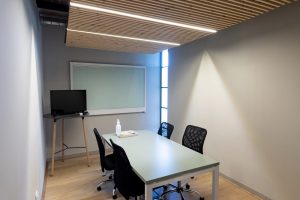
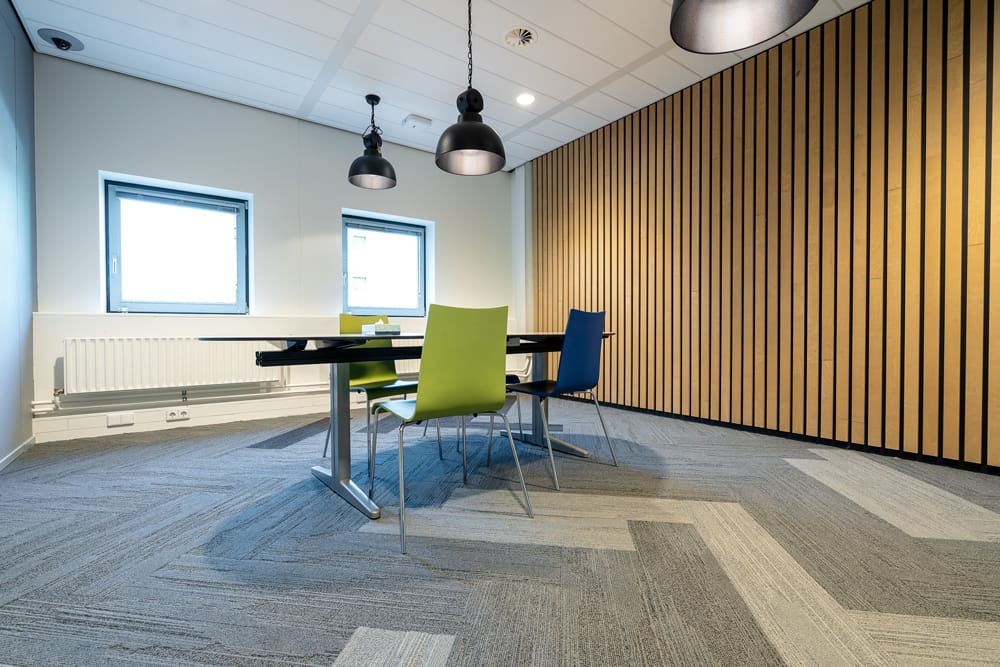
Ever stepped into a room that sounded strangely “hollow” or like everyone’s voices were bouncing around endlessly? You’re not imagining it. Echo can make even the nicest spaces uncomfortable, tiring, and distracting — whether it’s an office, home, café, or studio.
Many people turn to wall panels for help. These panels help control echo and reverberation to improve the clarity and comfort of sound in a space.
Used incorrectly, however, wall panels can fail to fix the problem — or worse, make it worse. Here’s a look at nine common mistakes that can make a room echoey, and how to fix them effectively, especially in Singapore’s compact and reflective spaces.
1. Installing Panels on the Wrong Walls
A common error is simply placing panels wherever there’s empty wall space. While coverage is important, placement matters more than quantity.
Echo occurs when sound reflects off hard surfaces directly back into the room. Panels should target these key surfaces:
- Walls opposite speakers or people talking
- Areas above or behind seating in living rooms or offices
- Walls near windows or glass partitions
Fix it: Before installation, observe where sound bounces the most. Place wall panels strategically rather than uniformly covering every wall. In Singapore HDB flats or offices with glass-heavy interiors, targeting reflective walls can drastically improve clarity without overcrowding the room.
2. Using Too Few Panels
On the flip side, using just one or two panels in a large room won’t cut it. Insufficient coverage leaves large reflective surfaces untreated, allowing echo to persist.
Fix it: Calculate coverage based on room size and surface reflectivity. For instance:
- Small rooms (10–20 sqm): 2–4 panels may suffice
- Medium rooms (20–50 sqm): 6–10 panels
- Larger spaces: multiple panels or combinations with ceiling installations
In offices and studios, a well-balanced panel setup ensures that all critical echo points are addressed without overdoing it.
3. Overloading Walls With Panels
It’s tempting to cover every inch of wall with panels for “maximum effect,” but this can make the room feel cluttered and even dampen sound unnaturally. Too many panels can also create a visually heavy environment.
Fix it: Focus on strategic placement and leave some exposed surfaces. This keeps the room acoustically balanced and aesthetically pleasing. In Singapore flats, this approach also maintains natural light and openness while reducing echo.
4. Ignoring Ceiling Reflections
Echo doesn’t just bounce off walls — ceilings are often the biggest culprits. In high-ceiling offices or living rooms, sound reflects downward repeatedly, creating a hollow effect.
Fix it: Consider panels or acoustic treatments on the ceiling, especially over seating areas or conference tables. For homes or studios, lightweight ceiling panels can reduce reverberation without requiring structural changes.
5. Wrong Panel Materials or Thickness
Not all wall panels are created equal. Using thin, decorative panels that aren’t designed to control echo will make little difference. Similarly, panels too thick for the space may look bulky without improving acoustics effectively.
Fix it: Choose panels designed for reverberation control rather than just decoration. Foam, fabric-wrapped panels, or perforated wooden panels work well. In Singapore offices and homes, panels between 25–50mm thickness often balance effectiveness and aesthetics.
6. Ignoring Adjacent Surfaces
Even perfectly placed wall panels can fail if other reflective surfaces are ignored. Glass windows, tiled floors, and concrete ceilings can all bounce sound back into the room.
Fix it: Treat a combination of surfaces where possible:
- Use rugs or carpets to reduce floor reflections
- Consider curtains or blinds on large windows
- Pair wall panels with ceiling panels for optimal echo control
This holistic approach ensures that acoustic panels aren’t working in isolation but actually improving the overall acoustic environment.
7. Overlooking Corners
Corners are notorious for trapping and bouncing sound. When sound waves hit the junction of two walls, they tend to linger and amplify, creating what acousticians call “corner loading.” This can make a room sound hollow or uneven, even if the rest of the space is treated.
Echo in corners can be subtle but disruptive. You might notice it as:
- Voices sounding slightly boomy or muffled near the edges of a room
- Certain spots in a conference room or living room where music or TV audio suddenly feels louder or harsher
- Difficulty in understanding speech clearly, even when panels are placed elsewhere
Fix it: Corners deserve as much attention as walls or ceilings. Installing corner panels or bass traps can dramatically improve sound clarity. These acoustic elements are designed to absorb and diffuse lingering sound waves, preventing them from reflecting repeatedly into the room.
8. Misjudging Room Layout and Furniture
Panels alone won’t fix echo if the room layout amplifies reflections. Hard-backed furniture, empty shelving, or open spaces can all contribute to reverberation.
Fix it: Arrange furniture to complement wall panels:
- Sofas or desks near treated walls absorb and diffuse sound naturally
- Bookshelves and soft furnishings can act as supplementary acoustic elements
- Open-plan areas may need more panels or freestanding acoustic dividers
In Singapore flats and offices where space is limited, this strategy maximises effectiveness without crowding the room.
9. Forgetting Maintenance and Adjustment
Wall panels aren’t “set and forget.” Over time, changes in furniture, room layout, or occupancy can shift how sound behaves, and echo may return. In Singapore homes, offices, or studios, even small moves like repositioning a sofa or adding a desk can affect acoustics.
Fix it: Periodically check the room for echo spots. Adjust sound panel positions, add extra panels if needed, or combine with ceiling treatments for a balanced sound. Regular monitoring ensures the panels continue to improve clarity and comfort over time
Why Understanding Echo vs. Sound Absorption Matters
It’s essential to remember: wall panels don’t absorb sound like noise-cancelling devices. They reduce echo and control reverberation, making voices clearer and sound more balanced. Misunderstanding this leads to over-purchasing panels or expecting complete silence — neither of which happens.
Singapore’s compact interiors, reflective surfaces, and high-density living make echo management crucial. Properly applied panels save money, improve comfort, and make spaces function better.
Practical Takeaways
- Plan before installation — target reflective surfaces strategically.
- Balance quantity with placement — too few or too many panels can reduce effectiveness.
- Consider all surfaces — walls, ceilings, corners, floors, and windows all affect echo.
- Use the right materials — choose panels designed for echo control.
- Monitor and adjust — rooms change over time, so check effectiveness regularly.
By avoiding these common mistakes, wall panels become a cost-effective, practical solution for improving sound quality in offices, studios, cafés, and homes across Singapore.
Final Thoughts
Echo may be subtle, but it affects productivity, comfort, and satisfaction. Wall panels, when used correctly, transform a room’s acoustic environment without heavy renovations or expensive overhauls.
From offices to home theatres, studios, and classrooms, strategic placement and understanding of how panels work will turn an echoey space into one that feels calm, clear, and balanced. In Singapore, where every square metre counts, the right approach to wall panels is a small investment with a big impact on sound quality and daily life.