Have you ever walked into a room that looks beautiful but somehow feels uncomfortable? Conversations bounce around, voices sound sharp, and everything feels just a bit… noisy. You raise your voice without meaning to. Video calls sound tinny. Music doesn’t quite land the way it should.
Chances are, the issue isn’t the décor. It’s the acoustics.
Sound is one of those invisible elements we don’t think about until it becomes a problem. And in modern homes, offices, cafés, and studios especially, hard surfaces like concrete floors, glass walls, and high ceilings make echo and noise almost unavoidable. That’s where acoustic ceiling panels quietly step in and change everything.
They don’t shout for attention. They don’t dominate your design. But once installed, they can completely transform how a room feels. Let’s walk through seven real, practical ways acoustic ceiling panels can improve your space and why they’re becoming a must-have rather than a nice-to-have.
1. They Reduce Echo Without Killing the Atmosphere
Echo is usually the first thing people notice when acoustics go wrong. You clap your hands and the sound lingers. Conversations overlap. The room feels “empty”, even when it’s full of people.
Acoustic ceiling panels absorb sound waves before they have a chance to bounce endlessly around the room. Instead of noise ricocheting off hard ceilings, walls, and floors, it gets softened and controlled.
The key thing here is balance. Good acoustic panels don’t make a room feel dead or muffled. They simply take the edge off. Speech becomes clearer, laughter sounds warmer, and music feels more natural rather than harsh.
This is especially noticeable in spaces with high ceilings or open-plan layouts, where sound tends to travel freely and bounce unpredictably.
2. Conversations Suddenly Become Easier and More Natural
Ever found yourself nodding along in a conversation, even though you only caught half of what was said? That’s poor acoustics at work.
When sound reflects too much, it blurs speech. Words overlap, consonants lose clarity, and your brain has to work harder just to keep up. Over time, that becomes exhausting.
Acoustic ceiling panels reduce echo, which makes speech much clearer. You don’t need to raise your voice. You don’t need to lean in. Conversations feel relaxed again. This makes a huge difference in places like dining rooms, meeting rooms, classrooms, and cafés — anywhere people gather to talk. When speech is clear, people stay longer, feel more comfortable, and actually enjoy being in the space.
3. They Improve Focus and Reduce Mental Fatigue
Noise doesn’t just affect your ears. It affects your brain.
When sound is uncontrolled, your mind is constantly processing unnecessary noise — footsteps, chair movements, distant conversations, echoes. Even if you’re not consciously aware of it, this background chaos drains your energy.
Acoustic ceiling panels help calm the sound environment, which in turn helps calm your mind. People find it easier to focus, read, work, or study without feeling overwhelmed.
In home offices, this can mean better concentration and fewer headaches. In workplaces, it often leads to improved productivity and less stress. In learning environments, it helps students absorb information more effectively.
It’s one of those upgrades that quietly improves your day without you quite realising why.
4. They Make Music and Media Sound Better
If you enjoy music, films, or gaming, acoustics matter more than you think.
Without proper sound absorption, audio can sound sharp, distorted, or unbalanced. Bass feels muddy. Dialogue gets lost under background noise. Volume goes up, but clarity doesn’t.
Acoustic ceiling panels help balance sound by reducing unwanted reflections. Music sounds richer and more controlled. Films feel immersive rather than overwhelming. Even everyday TV watching becomes more enjoyable.
This isn’t just for studios or home cinemas. Living rooms, bedrooms, and shared spaces benefit too, especially if you’ve got hard floors, large windows, or minimal soft furnishings.
Good acoustics allow sound to shine the way it’s meant to.
5. They Create a Calmer, More Comfortable Atmosphere
There’s a reason some spaces feel peaceful the moment you step inside.
Sound plays a huge role in how we experience comfort. Loud, echo-filled rooms can make us tense, even if we can’t explain why. Controlled acoustics, on the other hand, make spaces feel welcoming and relaxed.
Acoustic ceiling panels help soften harsh noise, which instantly changes the mood of a room. Restaurants feel less chaotic. Offices feel less stressful. Homes feel more restful.
This is particularly important in spaces where people spend long periods of time. When the sound environment is comfortable, people linger longer, communicate better, and leave feeling less drained.
6. They Work Without Taking Up Valuable Floor or Wall Space
One of the biggest advantages of ceiling-mounted acoustic panels is that they don’t compete with your furniture or décor.
Floor-standing solutions take up space. Wall panels can interfere with artwork or storage. Ceiling panels quietly do their job without getting in the way.
This makes them ideal for smaller rooms or spaces where every square metre matters. They’re also perfect for rooms with large windows or minimal wall space, where traditional acoustic treatments aren’t practical. Because they’re overhead, they can treat sound across the entire room more evenly, especially in open or shared environments.
7. They Can Look as Good as They Perform
Gone are the days when acoustic panels looked purely functional.
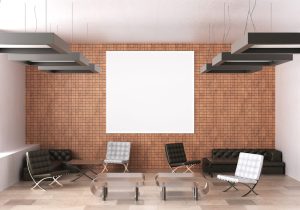
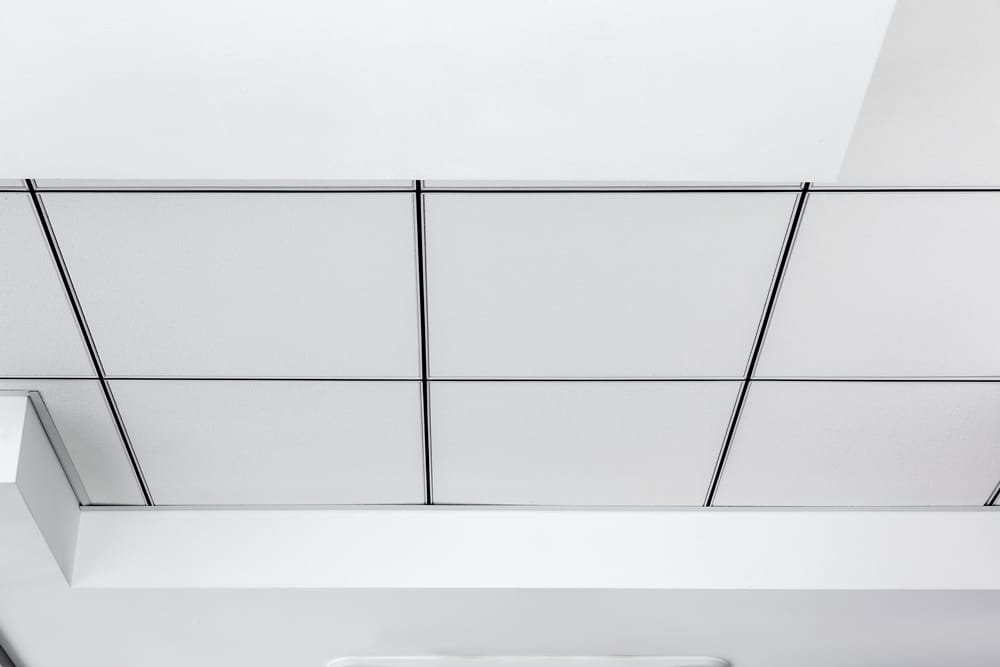
Modern acoustic ceiling panels come in a wide range of colours, textures, and designs. Some blend seamlessly into the ceiling. Others make a bold architectural statement. Many can even be customised to match your interior style.
You can keep things subtle and minimalist, or use panels as a design feature that adds depth and interest to the space. Either way, they enhance both form and function.
Good design shouldn’t force you to choose between beauty and comfort — and acoustic panels prove you don’t have to.
Where Acoustic Ceiling Panels Make the Biggest Difference
While almost any room can benefit from improved acoustics, some spaces feel the impact immediately.
Open-plan homes often struggle with sound travelling between zones. Ceiling panels help define areas acoustically without adding walls. Home offices benefit from reduced echo and improved call clarity, especially during video meetings.
Restaurants and cafés feel more inviting when background noise is controlled, allowing guests to enjoy conversation without shouting.
Classrooms and training rooms become more effective learning environments when speech is clear and distractions are minimised.
Even bedrooms can benefit, particularly if outside noise or echo affects sleep quality.
What to Keep in Mind Before Installing
Acoustic ceiling panels work best when they’re planned thoughtfully.
Room size, ceiling height, and surface materials all influence how many panels you’ll need and where they should go. It’s not always about covering the entire ceiling — strategic placement often delivers better results.
Material quality also matters. Well-made panels absorb sound more effectively and maintain their performance over time.
And finally, think about how the space is actually used. A room for meetings needs different acoustic treatment than a room for music or relaxation.
Final Thoughts
Acoustic ceiling panels don’t just fix noise problems. They improve how a space feels, functions, and supports the people using it. They make conversations easier, work more focused, and relaxation more genuine. They reduce stress, enhance comfort, and quietly elevate everyday experiences. Once you experience a room with good acoustics, it’s hard to go back. Because when sound works the way it should, everything else just feels better.